800-353-9425

Horizontal Lifeline Fall Protection

Protect workers at height with engineered horizontal lifeline systems built for OSHA compliance.

Talk to an ExpertTalk to an Expert

Or, give us a call: 1-800-353-9425

Horizontal Lifeline Systems for Fall Protection

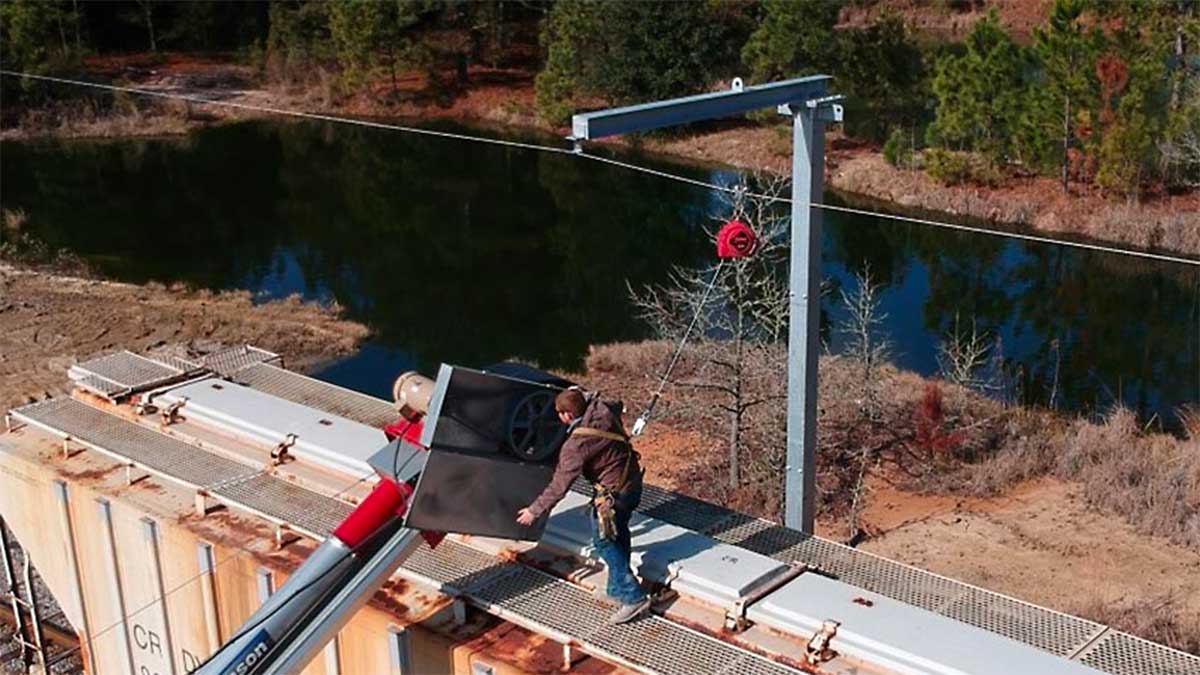
At Flexible Lifeline Systems (FLS), safety starts with people. Every horizontal lifeline (HLL) we design manages the dynamic forces generated during a fall to ensure your team returns home safely after every shift. Engineered from weather-resistant, industrial-grade components, our cable systems withstand severe environmental exposure to deliver long-term structural durability across any facility.

Versatility defines our approach. Whether your operation demands rooftop, sidewall, or overhead configurations, our engineers tailor the attachment method to your specific host structure. Following a straightforward site survey, our proprietary configurator tool rapidly models your system parameters, generating an accurate, site-verified engineering proposal without project delays.

Compliance is non-negotiable. Every FLS horizontal lifeline is third-party tested and certified to meet or exceed OSHA 1910.140, ANSI Z359.6, and CSA standards (including Z259.13 and Z259.16). Factory-trained, certified professionals handle all physical installations, guaranteeing that every cable tension setting, energy absorber, and structural bracket performs strictly to design specifications.

Horizontal Lifeline Systems Projects

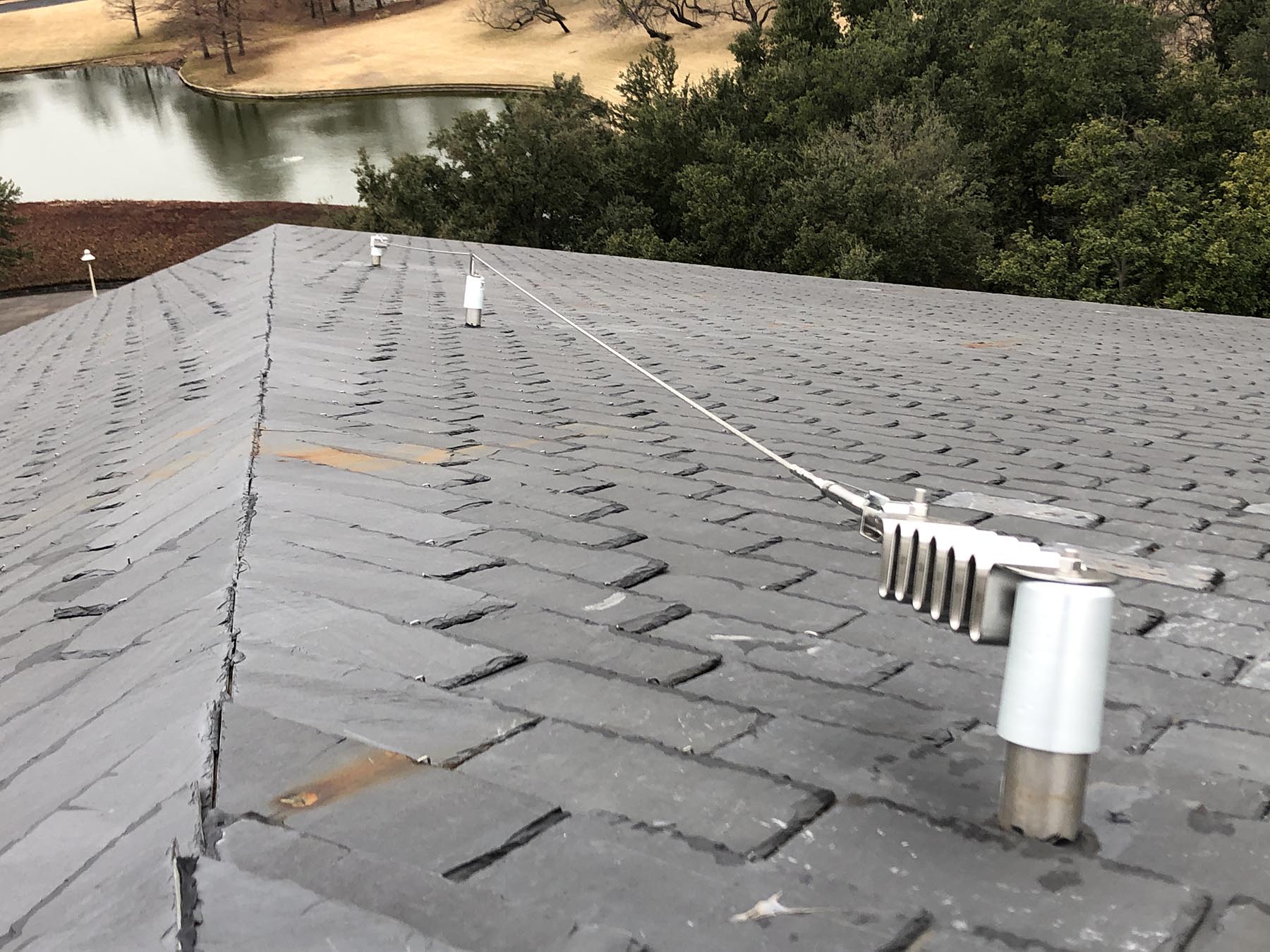
Lubrizol Horizontal Lifeline Project

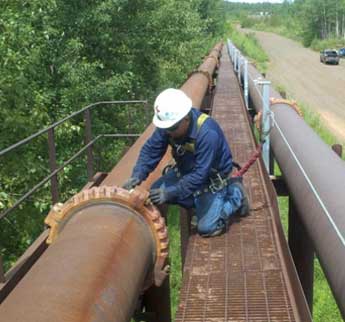
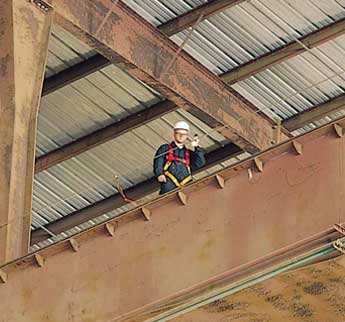
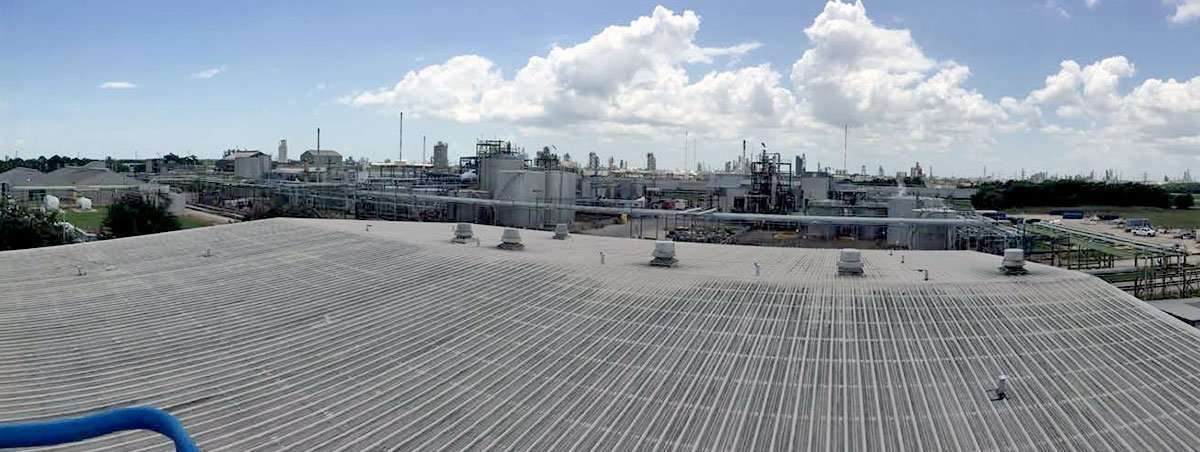
FLS Fall Protection for Energy Lubrizol is a large refiner and blender of Petroleum additives. Their building was receiving a new roof, and they needed a fall safety solution to go along with it. This project was undertaken specifically for re-roofing in 2018, then quarterly roof inspection and maintenance. Project Details...Read More

Rooftop Horizontal Lifelines Video

What are the specific OSHA regulations for lifelines? 

Primary regulations include 1910 for General Industry and 1926 for Construction. FLS also recommends following ANSI Z359.6 for the most comprehensive design guidance for lifeline systems.

Is a Horizontal Lifeline or a Rigid Rail system better? 

It depends on the application, task, clearance, and feasibility of installation. Rigid Rail offers superior fall distances for low-clearance areas, while Horizontal Lifelines can be installed in many locations where Rigid Rail may not be structurally feasible. 

How often do horizontal lifelines require recertification? 

To comply with ANSI standards, HLL systems must be inspected and recertified by a Competent Person at least once every 12 months. Systems exposed to extreme heat, chemicals, or salt air may require more frequent inspections to ensure cable integrity.

How many workers can use a single horizontal lifeline at once? 

Capacity is determined by the engineering of the system. While many systems are rated for one to three users, FLS can custom-engineer lifelines for more users by reinforcing the end-anchors and calculating the cumulative dynamic load of a simultaneous fall event.

Can a horizontal lifeline be installed on a roof without causing leaks?

 Yes, we utilize non-penetrating deadweight anchors or specialized standing-seam clamps that grip the structural ribs of the roof. These solutions provide OSHA-compliant safety without compromising the roof membrane or voiding the manufacturer’s warranty.

 What is the difference between Fall Restraint and Fall Arrest on a lifeline? 

Fall Restraint prevents the worker from reaching the edge, effectively creating a zero-fall environment. Fall Arrest safely stops a worker after a fall has occurred. FLS designs systems for both, though Fall Arrest requires higher-rated anchorage to handle dynamic forces.

How is required fall clearance calculated for an HLL?

 It is the sum of lanyard length, deceleration distance, cable deflection or sag, worker height, and a safety factor of at least 1.5 feet. Our engineers provide specific clearance charts for every span to ensure workers never strike the ground or a lower level during a fall. 

Who is qualified to design a horizontal lifeline system?

 Per OSHA 1926.32, an HLL must be designed by a Qualified Person, which is someone with a recognized degree or professional standing, such as a Professional Engineer, with extensive knowledge in fall protection. FLS provides these engineering services to ensure legal and physical compliance.

How does a tension indicator ensure user safety?

 A loose cable increases fall distance: while an overtightened cable puts unnecessary stress on the anchors. Our built-in tension indicators allow a Competent Person to verify at a glance that the system is tuned to engineering specifications. 

What are the risks of using non-serial numbered components?

 Safety components must be traceable. We serial-number every bracket and shuttle to ensure a complete maintenance history: which is critical for identifying potential manufacturing defects or “end of life” fatigue. 

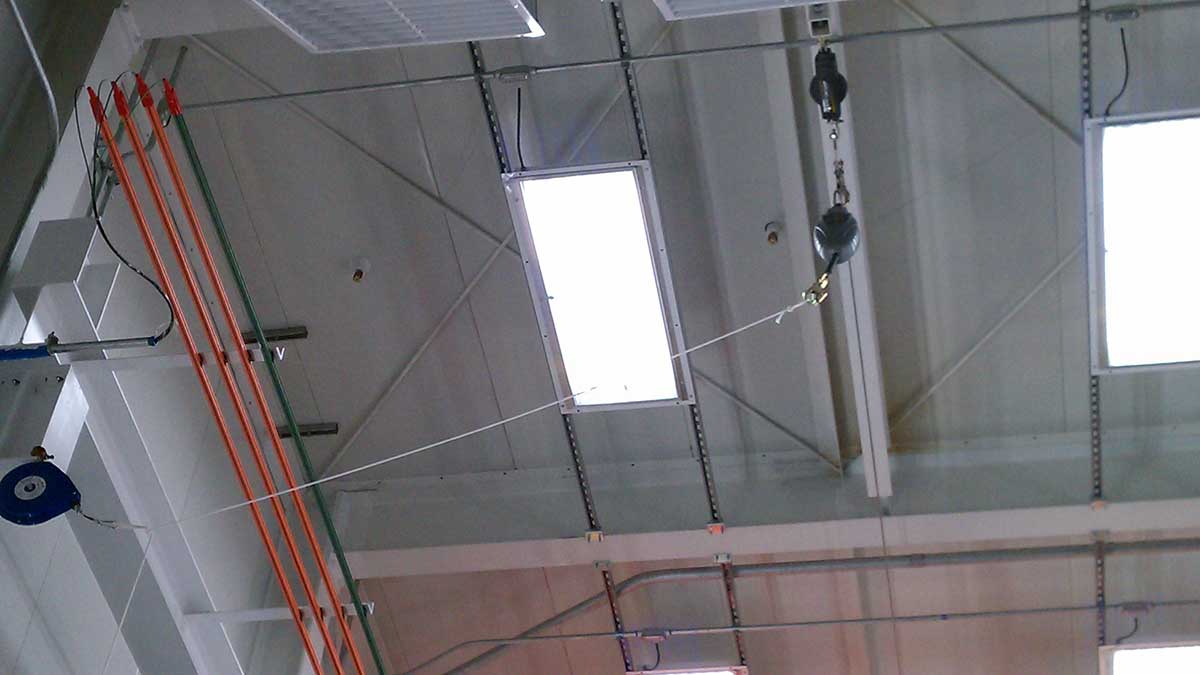
How does the system account for the low-clearance areas of an aircraft wing?

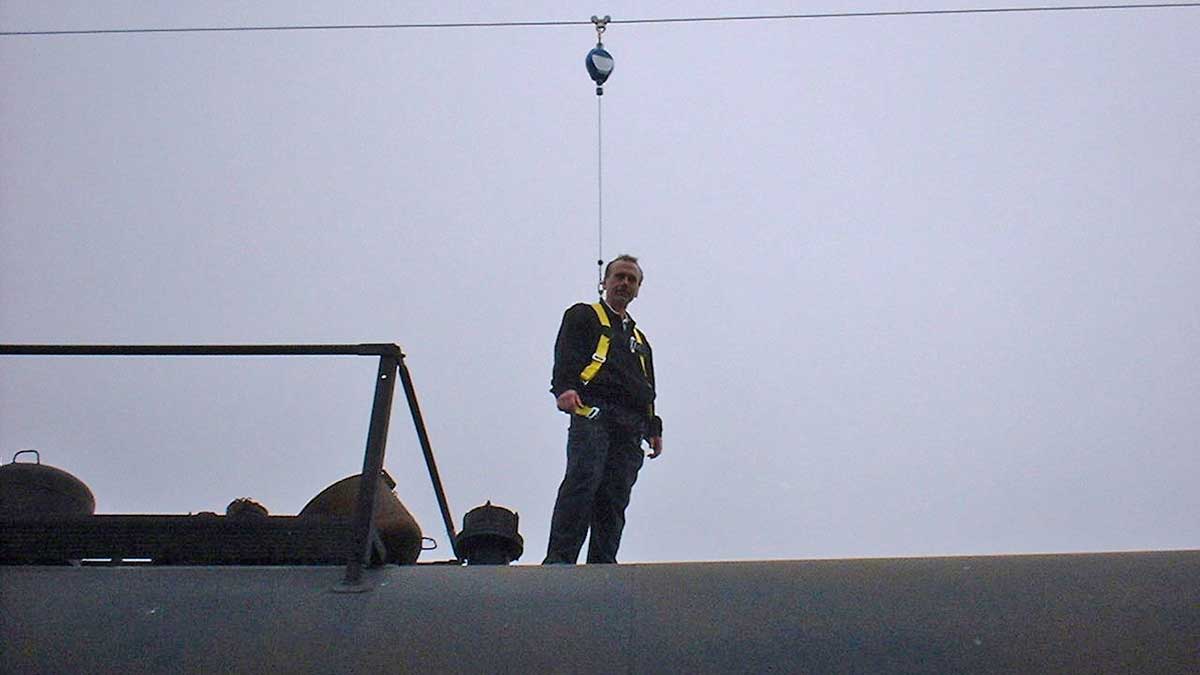
Cable systems involve “dynamic sag.” We perform precise Total Fall Distance (TFD) calculations: often recommending Self-Retracting Lifelines (SRLs) with the system to ensure the arrest occurs before contact with the wing or fuselage. 

What happens to the hangar structure during a fall event?

 The overhead anchors are designed to manage extreme dynamic loads. After any fall: the entire system must be immediately tagged out: and the structural integrity of the roof beams and anchor points must be validated by an engineer. 

Who is qualified to supervise the use of these systems?

 According to OSHA: a Competent Person must oversee the daily operation and inspection of the lifeline. For the initial design and structural tie-in: a Qualified Person (Professional Engineer) is required to certify the system for specific aircraft profiles. 

What are the specific OSHA regulations for lifelines?

 Primary regulations include 1910 for General Industry and 1926 for Construction. FLS also recommends following ANSI Z359.6 for the most comprehensive design guidance for lifeline systems.

Is a Horizontal Lifeline or a Rigid Rail system better?

 It depends on the application, task, clearance, and feasibility of installation. Rigid Rail offers superior fall distances for low-clearance areas, while Horizontal Lifelines can be installed in many locations where Rigid Rail may not be structurally feasible.

 How often do horizontal lifelines require recertification?

 To comply with ANSI standards, HLL systems must be inspected and recertified by a Competent Person at least once every 12 months. Systems exposed to extreme heat, chemicals, or salt air may require more frequent inspections to ensure cable integrity. 

How many workers can use a single horizontal lifeline at once?

Capacity is determined by the engineering of the system. While many systems are rated for one to three users, FLS can custom-engineer lifelines for more users by reinforcing the end-anchors and calculating the cumulative dynamic load of a simultaneous fall event.

Can a horizontal lifeline be installed on a roof without causing leaks?

Yes, we utilize non-penetrating deadweight anchors or specialized standing-seam clamps that grip the structural ribs of the roof. These solutions provide OSHA-compliant safety without compromising the roof membrane or voiding the manufacturer’s warranty.

What is the difference between Fall Restraint and Fall Arrest on a lifeline?

Fall Restraint prevents the worker from reaching the edge, effectively creating a zero-fall environment. Fall Arrest safely stops a worker after a fall has occurred. FLS designs systems for both, though Fall Arrest requires higher-rated anchorage to handle dynamic forces.

How is required fall clearance calculated for an HLL?

It is the sum of lanyard length, deceleration distance, cable deflection or sag, worker height, and a safety factor of at least 1.5 feet. Our engineers provide specific clearance charts for every span to ensure workers never strike the ground or a lower level during a fall.
Compliance

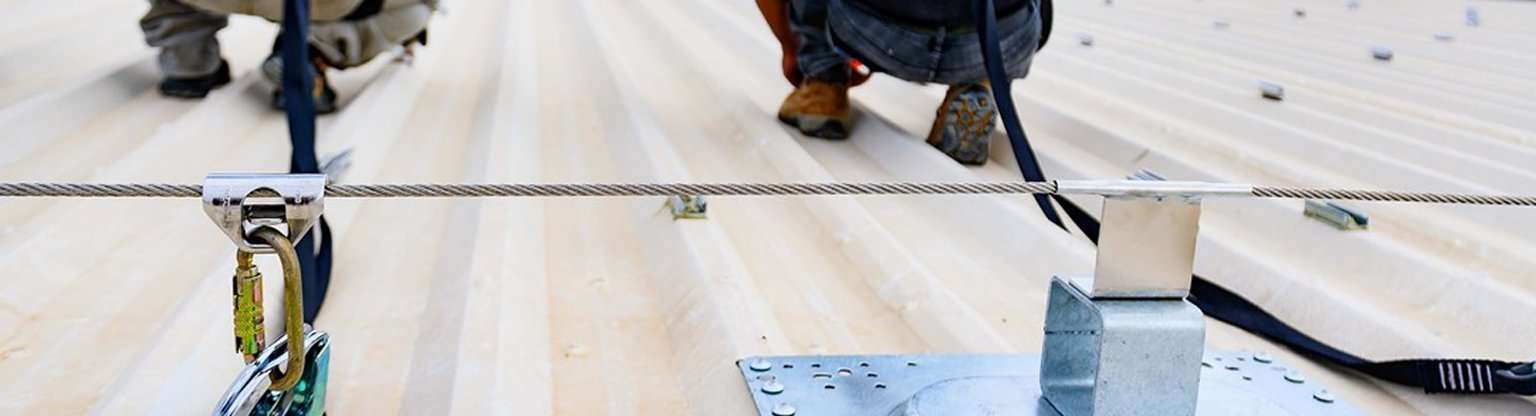
  • Federal Standards: Systems are engineered to meet or exceed OSHA 29 CFR 1910.140, General Industry, and 1926.502, Construction, requirements for anchorage. 
  • Design Engineering: Every layout is designed and verified according to ANSI/ASSP Z359.6, Specifications and Design Requirements for Active Fall Protection Systems. 
  • Material Integrity: All components are manufactured from Grade 316 Stainless Steel, ensuring resistance to corrosion and stress-cracking in industrial or coastal climates. 
  • Force Mitigation: Integrated energy absorbers limit the Maximum Arresting Force, or MAF, to safe levels for the user and the structure, as per ANSI Z359.13. 
  • Qualified Supervision: As mandated by OSHA, FLS horizontal lifelines are designed and installation-verified by a Qualified Person, such as a Professional Engineer. 

Horizontal Lifeline Fall Protection Various Applications

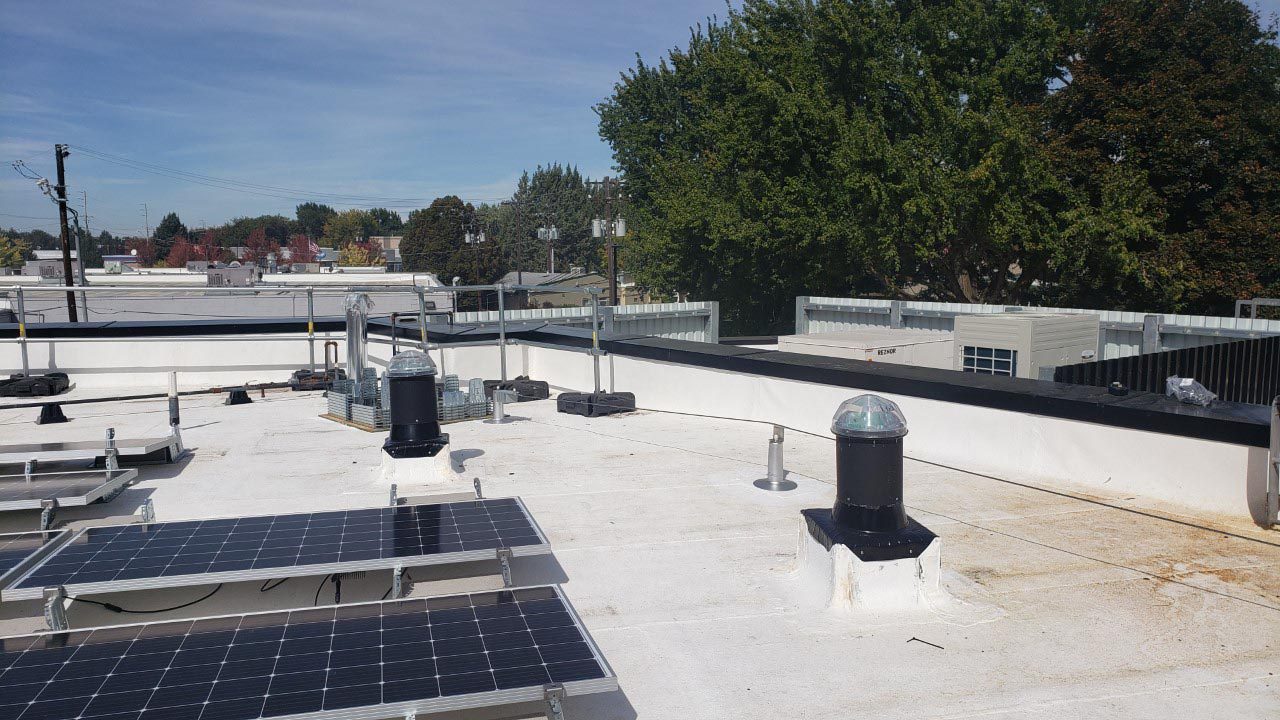
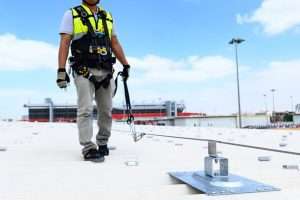
Flat Membrane Roofs

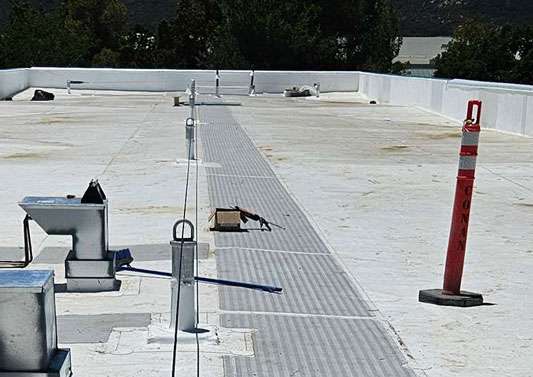
Flat Membrane Roofs

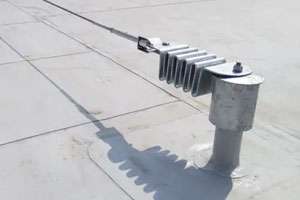
Retrofit existing flat roofs with OSHA-compliant horizontal lifelines without sacrificing freedom of movement. Permanent rigid post anchors adapt to diverse membranes and layouts, keeping crews secure and productive during routine maintenance.

Corrugated Metal Roof

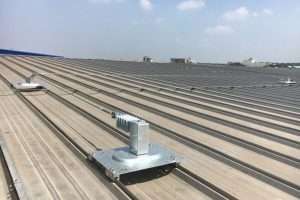
Corrugated Metal Roof

Profile-matched mounting brackets clamp rapidly to corrugated ridges without puncturing panels or causing leaks. Workers gain uninterrupted, hands-free horizontal mobility across entire spans during inspections and service.

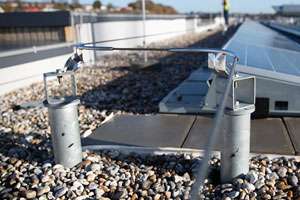
Loose-Laid Ballasted Rooftops

Loose-Laid Ballasted Rooftops

Protect roof warranties and loose-laid membranes using heavy-duty, non-penetrating counterweight anchors. Crews move freely along the line with zero risk of gravel displacement or structural membrane damage.

Standing Seam Metal Roof

Standing Seam Metal Roof

Non-penetrating, high-strength seam clamps lock firmly in place using corrosion-resistant components to safeguard roof integrity. The continuous line ensures full-length fall protection for fast, unhindered maintenance.

Green Roofs

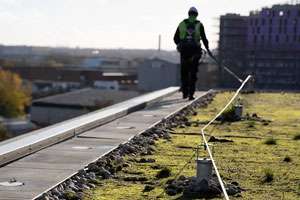
Green Roofs

Elevated anchor posts rise cleanly above vegetative trays, soil media, and drainage layers to protect root barriers. Technicians safely access and service living roofs with seamless horizontal arrest capabilities.

Solar Roof Walkway

Solar Roof Walkway

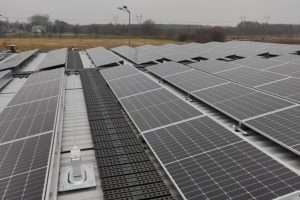
Combine anti-slip, non-conductive walkway paths with engineered horizontal lifelines tailored to tight array layouts. Personnel access panels safely without transferring unwanted loads to solar modules or roof surfaces.

Horizontal Lifeline White Papers and Articles

WHITE PAPER

Calculated Flex | Controlling Dynamic Forces in Horizontal Lifelines
Rigid fall arrest anchors subject light-gauge roof decks to severe overturning moments that cause localized deck tearing and void roofing warranties. Learn how engineered horizontal lifelines deploy energy-absorbing posts to transform destructive prying forces into manageable lateral shear without puncturing the roof envelope.

View White Paper

ARTICLE

Navigating Active Fall Protection | Work Restraint vs. Fall Arrest
Selecting the wrong active system can lead to severe injury, invalid rescue plans, and regulatory non-compliance. Learn the critical operational differences between preventing edge access and safely arresting a dynamic fall through engineered systems.

Read Article

ARTICLE

Project Spotlight | Retrofitting Rooftop Lifelines for Higher Education
When existing rooftop utilities and mismatched hardware threatened compliance at Grossmont College, FLS engineered custom adapter plates and saddle connections to mount a 230-foot continuous horizontal lifeline. Learn how turnkey engineering overcame complex MEP obstructions to deliver full OSHA compliance without costly post replacements.

Read Article

Engineered Rooftop Lifelines vs. Generic Cable Kits

Engineering & Site Metric Generic Rigid-Post Cable Kits Engineered Rooftop HLL (Kee Line)
Substrate Load Dissipation & Mechanics Severe Overturning Moments: Rigid anchor posts act as high lever arms during a fall. They transfer destructive prying forces directly into light-gauge metal decks or purlins, causing localized substrate tearing and catastrophic fastener pull-out. Moment-to-Shear Conversion: Proprietary top-fix deformation posts progressively deform in the direction of the fall. This controlled mechanical flex converts destructive overturning forces into pure lateral shear, capping peak dynamic loads under 10 kN (2,248 lbs).
Roof Envelope & Warranty Integrity Invasive Deck Drilling: Demands extensive through-deck bolting and underside structural backer plates. These physical penetrations breach vapor barriers, compress insulation, introduce persistent leak paths, and routinely void roofing manufacturer warranties. Warranty-Preserving Mounting: Mounts non-invasively to standing seam profiles using manufacturer-approved aluminum S-5! clamps. On membrane and built-up roofs, engineered base plates distribute loads without puncturing the weatherproofing envelope.
Perimeter Tracking & User Safety Discontinuous Tie-Off: Corners require dead-end line terminations. Maintenance workers must unclip and reconnect at every turn and intermediate post, introducing critical periods of unattached exposure along unprotected roof perimeters. 100% Continuous Hands-Free Travel: Low-profile intermediate brackets and heavy-duty redirect corner posts permit the wheeled traveler to bypass all hardware smoothly. Workers navigate entire roof geometries without ever detaching from the line.
Fall Clearance Modeling (MDD) Unmodeled Cable Stretch: Generic kits offer broad span charts without calculating dynamic cable sag. Near low roof edges, uncalculated deflection risks ground collision or impacts with lower-level architectural projections. Validated Proprietary Modeling: Every layout undergoes calculation via empirical modeling software to verify exact Maximum Dynamic Deflection (MDD). Tensioners with visual calibrated indicators ensure the wire rope stays tuned to precise engineering specifications.
Multi-User Capacity & Operational Restraint Restricted Capacity: Typically rated for one or two users under rudimentary safety factors. Uncalibrated lines lack the load distribution needed to support simultaneous maintenance personnel without sagging toward the roof edge. Up to 3 Simultaneous Users: Fully rated for three concurrent users in fall arrest or restraint. When configured with fixed-length lanyards, the system functions as a true work-restraint barrier, preventing workers from reaching the roof edge entirely.
Engineering Stamping & Regulatory Defensibility Unsealed Field Assembly: Sold as piecemeal components without site-specific structural reviews or state engineering seals. Shifts 100% of the structural verification and liability burden onto the building owner during audits. State-Specific P.E. Certification: Accompanied by site-specific engineering drawings, Finite Element Analysis (FEA), and an engineering seal from a Professional Engineer registered in the project’s jurisdiction per ANSI Z359.6 Section 3.2.1.

      X